
 leland
The best custom website design service is the one that can show your kind of work, in your kind of budget, and hand you a site you can actually update yourself, and the Webloftdesigns homepage is a good example of a studio putting visuals first. For furniture makers, interior designers, and home-and-garden creators, that usually means choosing between a freelance designer, a boutique studio, or a full agency, then matching that choice to how visual your portfolio is and how much you plan to grow online.
A custom site isn’t a template with your logo dropped in. It’s built around your photography, your materials, your process. Think of a woodworker whose walnut dining tables deserve full-bleed images that show the grain, or a garden designer whose before-and-after transformations need a gallery that feels like turning the pages of a magazine. A design-led approach like that puts visuals first.
Custom doesn’t have to mean expensive, either. Phased builds and starter packages can get a polished site live without draining your studio fund. Below, we break down what to weigh, how the main provider types compare, and the mistakes worth dodging before you sign anything.
Why Furniture and Interior Design Brands Deserve a Custom Website
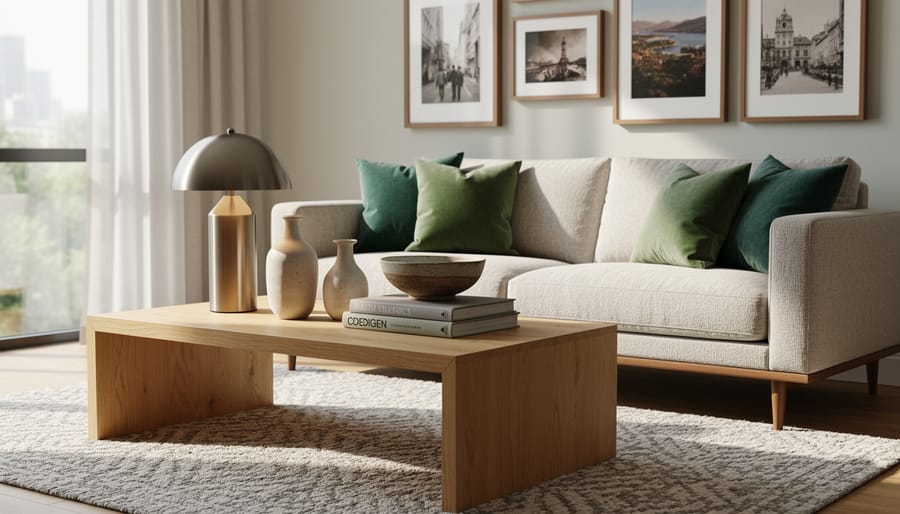
Custom website design simply means your site is built around your brand instead of squeezed into a one-size-fits-all template. The layout, typography, color palette, and navigation all get shaped by how you work and what you make. For furniture makers and interior designers, that matters more than almost anywhere else, because your clients are buying a feeling before they ever buy a service.
Think about the difference between a generic gallery page and a true showroom experience. The template version is a grid of thumbnails, every project squeezed into the same square box. The custom version lets a sunlit living room fill the screen, then guides visitors through the fabrics, the finishes, and the story behind each choice. It has that curated showroom feel where every detail seems placed on purpose and visitors want to linger.
Real businesses see the payoff. One boutique interior designer swapped her standard portfolio grid for a bespoke layout that paired full-width room photography with short notes on her design thinking. Her consultation requests picked up noticeably, because visitors could finally sense her style before they ever picked up the phone. A small furniture maker did something similar with custom product pages, giving each piece its own story: the walnut slab’s origin, the joinery, the weeks of hand finishing. Buyers stopped comparing on price and started connecting with the craft.
That’s the encouraging part: budget-friendly paths absolutely exist, and you can start with the pages that do the most work, then grow the rest over time.
Key Buying Factors: What to Look For Before You Hire
A Portfolio That Shows Real Design Sensibility
When you open a provider’s portfolio, ignore the logos and look at the rooms. A strong designer treats each client site like a separate showroom, so the typography, color, and layout should shift to suit each brand instead of repeating one signature look. For visual narrative inspiration notice how the best sites let photography lead and keep the text quietly elegant.
Then test the practical side. Do the galleries load smoothly, or do you stare at blank squares? Pull the sites up on your phone and see whether images stay crisp and the menus are easy to use.
Keep these questions handy when you talk to a provider:
- Have you built sites for visual brands like furniture or interiors?
- How do your galleries perform on mobile?
- Who owns the design files and content after launch?
- What does ongoing support include?
Showcasing Products and Projects: Galleries, Shoppable Features, and Inquiry Tools
The best custom sites for this niche let visitors step into your work, not just scroll past it. Start with high-resolution galleries that load quickly and zoom smoothly, so a client can study the grain of a walnut tabletop or the weave of a linen sofa. Before-and-after sliders are a favorite for interior designers, since they turn a transformation into a little moment of drama. Room-by-room project pages work well too, letting people browse by living room, kitchen, or garden terrace rather than wading through one endless feed.
For makers and retailers, shoppable features matter. A furniture e-commerce setup should show dimensions, finishes, and lead times clearly, and pair them with rich product storytelling that explains where a piece came from and why it looks the way it does.
If you want something a little more innovative, ask your designer about 3D or augmented reality previews that let shoppers see a chair in their own living room. A virtual room visualizer or an interactive style quiz (“Are you modern farmhouse or Scandinavian calm?”) can also guide visitors toward the right pieces or services.
Finally, don’t forget a simple consultation booking form. It turns inspired browsers into real conversations, and it’s one of the easiest, most budget-friendly additions you can make.
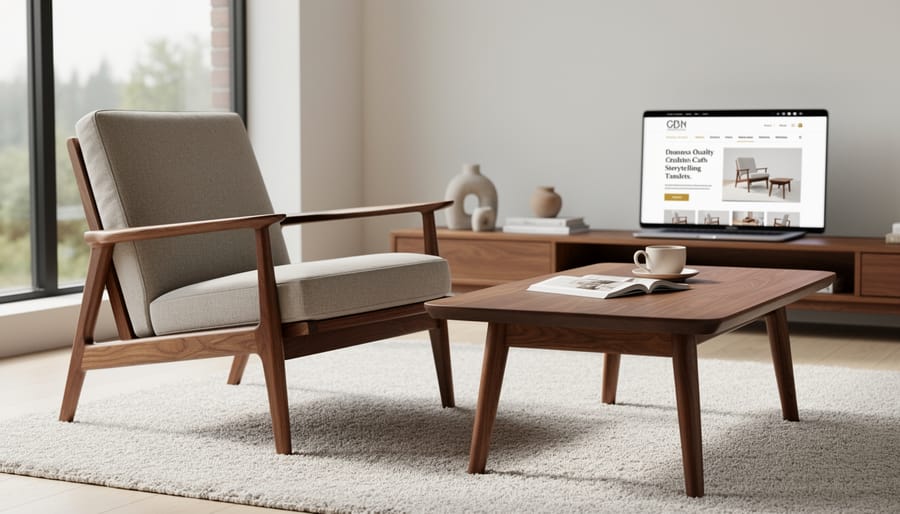
Speed, Mobile Experience, and Search Visibility
Picture someone scrolling through room ideas on their phone while the kettle boils. If your gallery takes more than a few seconds to appear, they’re gone before your best photo ever loads. That’s why speed matters so much for design-led businesses: beautiful images are heavy, and they need to be prepared thoughtfully. Ask any designer you’re considering how they compress and resize photos, and whether they use “lazy loading,” which simply means images load as visitors scroll rather than all at once.
Most home inspiration browsing happens on phones, so a site should be designed for small screens first, with tap-friendly menus and galleries that swipe smoothly. Test a designer’s past work on your own phone and notice how it feels.
Finally, build in search basics from day one: clear page titles, descriptive image names, and a tidy structure. Adding these later is far harder than starting with them.
Budget, Timeline, and Ownership
Think of your budget the way you’d plan a room refresh: set the foundation first, then add layers as you go. A custom website design project typically covers a strategy conversation, page layouts, mobile versions, basic search setup, and a round or two of revisions. Photography, copywriting, e-commerce integration, booking tools, and extras like a room visualizer usually cost more, so ask for each one by name.
Timelines swing with scope. A focused portfolio site can come together faster than a shop with dozens of product pages, and delays often come from waiting on images and text, not from the designer. Have your photos and project descriptions ready before kickoff.
Ownership deserves a direct question: will you own the design files, content, domain, and hosting account, or only license them? Put the answer in writing.
Finally, budget for growth. Every new project or collection needs a home, so ask how easily you can add galleries yourself, and whether ongoing support is included.
Types of Custom Website Design Services Compared
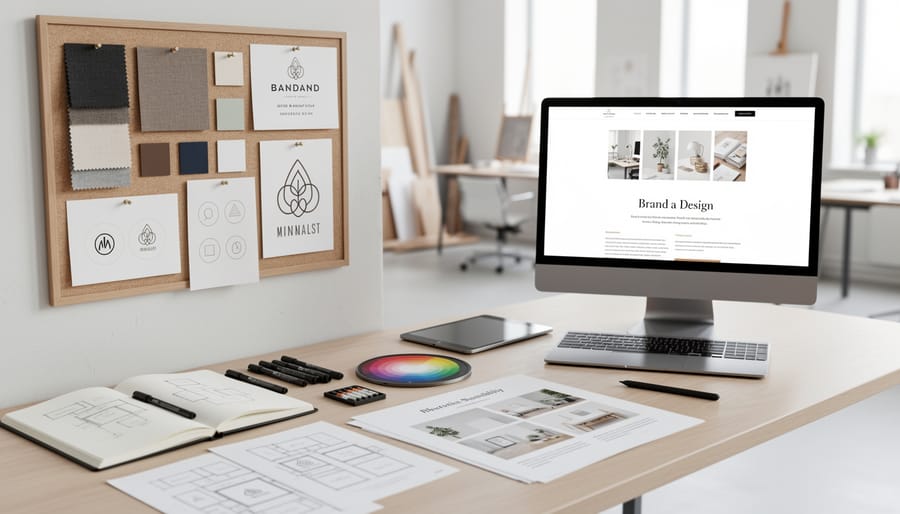
Once you know what to look for, the next question is who should build it. For a furniture or interior design business, four routes cover most situations, and each one trades budget, creative control, and long-term support a little differently.
| Service Type | Best For | Typical Strengths | Key Consideration |
|---|---|---|---|
| Full-Service Agency | Established firms and retailers with complex needs | Strategy, design, development, photography coordination, and ongoing support under one roof | Higher cost and longer timelines |
| Freelance Designer | Solo decorators and small makers wanting a personal touch | Direct communication, flexible pricing, quick decisions | Lower-to-mid cost, but availability and long-term support depend on one person |
| Boutique Design Studio | Design-led brands wanting a signature, editorial look | Strong visual sensibility and a small team with niche experience | Mid-to-higher cost, and portfolios can lean toward one house style |
| Customized Platform/Theme Hybrid | New studios and budget-conscious businesses | Faster launch, lower cost, easy self-updates | Less creative freedom than a fully bespoke build |
A full-service agency is the closest thing to a one-stop shop. If you’re running a multi-room showroom brand or a furniture line with hundreds of products, having strategists, designers, and developers working together can save you from juggling vendors. The flip side is that you’ll pay for that infrastructure, and your project may share attention with larger accounts.
Freelancers are often the sweet spot for a decorator launching a studio or a woodworker who wants a site that reflects their craft without an agency-sized invoice. You’ll usually work directly with the person designing your pages, which makes for a more personal process. Just ask upfront how updates, fixes, and hosting questions will be handled after launch, since there’s no team to fall back on if your designer is busy or unavailable.
A boutique studio sits between the two. Think of a small team that lives and breathes visual storytelling, the kind that understands why a lighting shot or a texture close-up matters. You get strong creative direction and a polished result, though it’s worth checking that their portfolio shows range rather than one repeated look.
The hybrid route starts with a premium platform or theme and customizes it with your fonts, color palette, layouts, and gallery styles. It’s a smart, budget-friendly path for a new studio that wants a refined look now and room to grow later. Many people pair it with a designer for a few targeted customizations, such as a bespoke portfolio layout or an inquiry form, rather than a full custom build.
Whichever route you choose, match it to where your business is today. A site that fits your budget and that you can actually maintain will serve you better than an ambitious build that sits untouched.
Recommendations: Matching a Service to Your Business
Not every business needs the same kind of website, so let’s match the service to the situation.
If you’re a solo decorator or a new studio your budget is probably tight and your portfolio is still growing. Look for a freelance designer who will customize a polished premium theme rather than build from scratch. Ask for three or four beautifully designed pages: a home page, a project gallery, an about page, and a simple inquiry form. Picture a new decorator who launched with just two room makeovers shown in large, well-lit photos. Nothing fancy, but each project had a short story about the client’s goals, and the inquiries came in steadily. You can always add more rooms as you finish them.
If you run an established interior design firm your site should feel like a signature showroom. A design-focused studio or full-service agency makes sense here, because you’ll want custom layouts, refined typography, and project pages that walk visitors through a space from concept to finished room. Think about a firm that replaced its uniform grid of thumbnails with full-width, room-by-room case studies and saw consultation requests become more qualified. To keep costs sensible, invest in the portfolio and booking tools first, and save extras like a style quiz for a later phase.
If you’re a furniture maker or retailer you need e-commerce and storytelling working side by side. Each product page should show the piece in real homes, explain the materials and craftsmanship, and make buying simple. A maker of furniture for small spaces for example, could pair every product with a tiny-apartment scene that shows how it flexes through the day. On a budget, start with a hybrid approach: a quality e-commerce platform, customized product pages, and a handful of hero items. If your work is more handcrafted than catalog-driven, a craft-focused portfolio with a small shop attached may serve you better than a full store.
If you’re a home and garden blogger or content-driven brand readability and search visibility matter most. A freelancer who specializes in editorial layouts can set up flexible templates for tutorials, inspiration posts, and seasonal roundups. Start with a clean, customized blog design and add a newsletter signup, then grow into features like downloadable guides.
Whichever path you choose, ask to see work from a business similar to yours.
Mistakes to Avoid When Commissioning Your Site
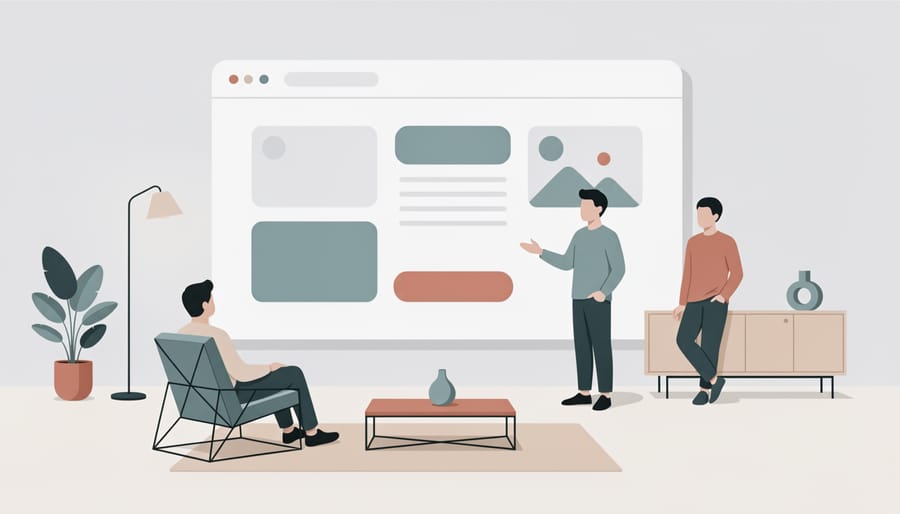
Even beautifully planned websites can stumble on a few avoidable missteps. The good news is that each one has a simple fix.
Choosing on looks alone. A stunning homepage means little if the contact form breaks or the gallery crawls. Before you sign, ask to click through a designer’s live sites on your phone and test the forms and menus. If it feels smooth, you’re in good hands.
Skimping on photography. Your images are your showroom. Blurry or dim photos undersell even the finest handcrafted piece. Set aside part of your budget for a professional shoot, or learn to photograph in soft natural light with a tidy, styled backdrop.
Overloading pages with heavy images. Gorgeous files can make a page painfully slow. Ask your designer to compress and resize images and to use lazy loading, so photos appear as visitors scroll rather than all at once.
Skipping a content plan. Without a clear idea of your pages, project stories, and calls to action, designs stall and costs creep up. Sketch a simple page list and gather your best project write-ups before kickoff.
Ignoring mobile and current trends. Most home inspiration browsing happens on phones, and visitors notice a dated layout fast. Review every design draft on a small screen, and look at what contemporary studios are doing with whitespace, typography, and full-bleed imagery.
Fuzzy contracts. Vague terms about revisions and ownership cause real headaches later. Get in writing how many revision rounds are included, who owns the design and content, and what happens if you part ways.
Forgetting maintenance. A site is a living showroom, not a one-time install. Plan for regular updates, backups, and security checks, and ask your designer about a modest care plan or a short handover lesson so you can add new projects yourself.
Custom Website Design Services: Frequently Asked Questions
How long does a custom website take?
Most custom projects take somewhere between a few weeks and a few months, depending on how many pages you need and how quickly you can supply photos and copy. Delays almost always come from waiting on content, so having your imagery ready speeds things up more than anything else.
Is custom worth it compared with a template?
If your work is visual, yes, usually. A template can look tidy, but a custom build lets your layouts, typography, and galleries match the mood of your pieces or rooms. If budget is tight, a customized premium theme is a good middle path.
What should I prepare before meeting a designer?
Bring your best photos, a few websites you admire, and a short list of must-haves like a booking form or shoppable pages. Knowing who you want to attract helps the designer make smarter choices from day one.
Can I update the site myself afterward?
You should be able to. Ask for a simple content management system and a short walkthrough so you can add new projects or products without calling for help each time.
Do I need e-commerce from day one?
Not necessarily. If you take custom commissions or sell a handful of pieces, a beautiful portfolio with an inquiry form can work well to start. Just choose a platform that lets you add a shop later.
Think of these answers as a starting point for your first conversation with a designer. Come prepared with your own questions, and notice how each provider responds. The ones who explain things plainly and ask about your business before pitching features are usually the ones who will treat your site like a well-styled room, built around you rather than around a formula.
A great website works a lot like a well-styled room. It welcomes people in, shows them where to look first, and gives them a reason to linger. Your custom website design should do the same for your work, whether that’s a hand-finished walnut dining table, a calm living room you restyled for a client, or a garden refresh that finally makes sense of an awkward corner.
You don’t need to have every answer today. Start small. Gather a handful of sites that make you feel something, and note what draws you in, whether it’s the photography, the typography, or the way a page breathes. Then write down your must-haves: the galleries, the inquiry form, the shop, the story you want told.
Finally, ask two or three designers for portfolio reviews. Notice who asks thoughtful questions about your craft. That’s usually your partner. Your next customer is already browsing; give them a space worth stepping into.


